
The Unique Challenges of Designing Vehicles for Extreme Climates
Designing vehicles for extreme climates is no easy feat. From scorching deserts to freezing tundras, vehicles must be able to withstand and operate in some of the harshest conditions on earth. The challenges faced by designers in this field are not only unique, but also essential in creating a dependable and safe mode of transportation for individuals and goods. In this article, we will delve into the distinct challenges that come with designing vehicles for extreme climates, and how engineers and designers are overcoming them.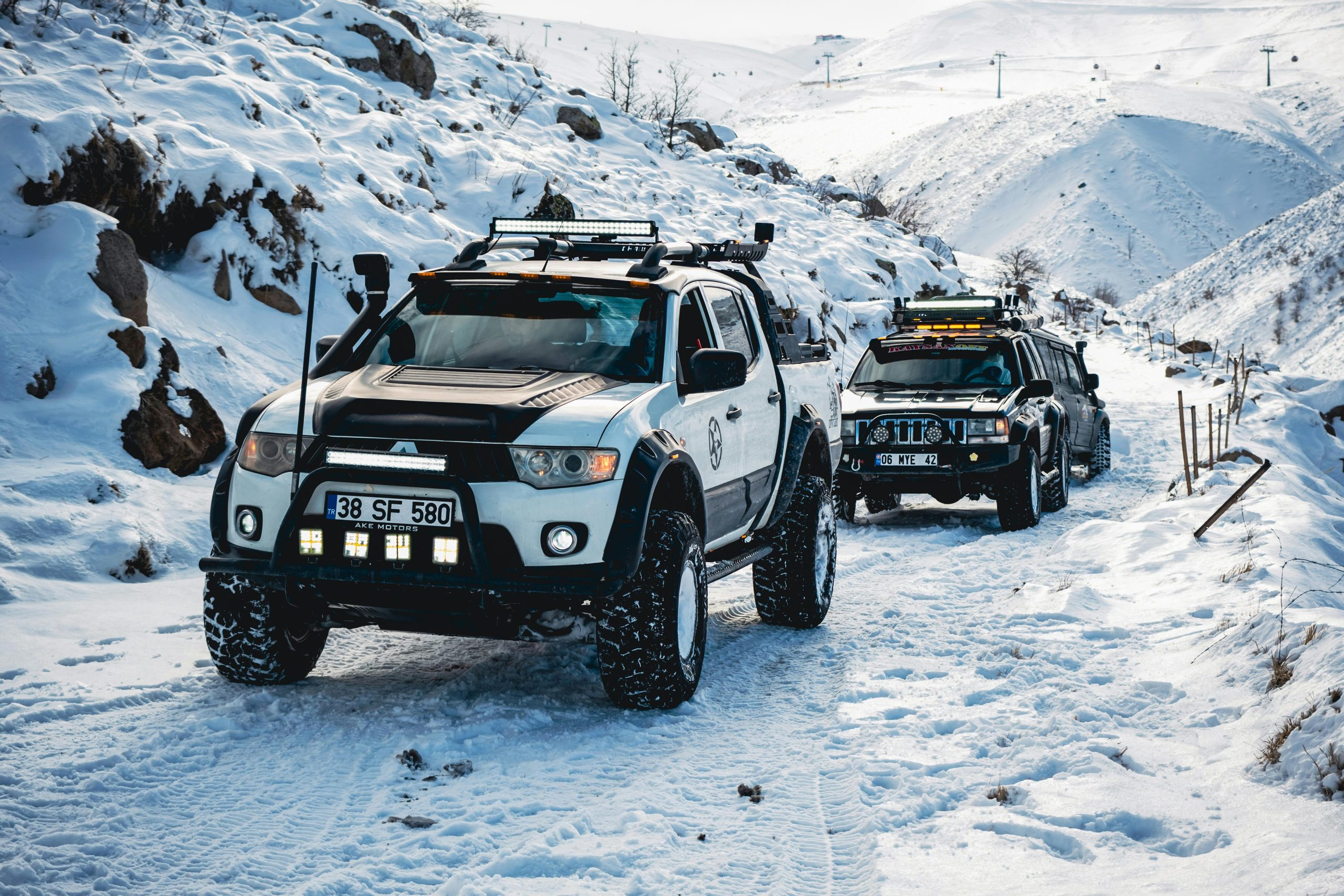
The Importance of Designing Vehicles for Extreme Climates
Before we dive into the challenges, it’s important to understand why there is a need for vehicles to be designed for extreme climates in the first place. In today’s globalized world, transportation of goods and people is vital for economic growth and development. This includes areas that are known for their extreme climates, like the Arctic or the Sahara desert. Moreover, with the rise of adventure and eco-tourism, there is a growing demand for vehicles that can take travelers to remote and extreme locations. It is clear that designing vehicles for extreme climates is not only a difficult task, but also a necessary one.
Unique Challenges of Designing for Extreme Climates
Temperature and Weather
One of the most obvious challenges of designing for extreme climates is the temperature and weather conditions. Vehicles must be able to operate in extreme heat, cold, rain, snow, and even sandstorms. The constant exposure to such harsh elements can take a toll on not only the exterior of the vehicle, but also its internal components. This is especially true for electrical and mechanical systems, which are susceptible to malfunction in extreme temperatures.
Terrain and Surface
The terrain and surface of extreme climates also pose a unique challenge for vehicle design. In desert or mountain environments, vehicles must be able to navigate through rough, uneven, and unstable surfaces with ease. This calls for sturdy suspension systems and tires that can withstand the harsh environment. On the other hand, in icy or snowy regions, traction becomes a major concern. Vehicles must have specialized tires and smart traction control systems to safely maneuver through these conditions.
Noise and Vibration
Another factor that designers must consider is the noise and vibration experienced by the vehicle in extreme climates. For instance, deserts with their sand dunes and rocky terrain can create a bumpy and noisy ride, putting strain on the vehicle’s structure. Extreme cold conditions can also cause materials to shrink and expand, leading to rattling and vibration. Designers must take into account these factors and find ways to reduce noise and vibration for a comfortable ride.
Solutions and Innovations
Insulation and Weatherproofing
To tackle the challenges posed by extreme temperatures and weather, proper insulation and weatherproofing is essential. Materials with good insulation properties can help maintain a comfortable temperature inside the vehicle, reducing strain on the mechanical and electrical systems. Similarly, weatherproofing can protect the vehicle’s interior and exterior from damage caused by extreme weather conditions.
Specialized Tires and Suspension Systems
Tires and suspension systems play a crucial role in navigating through extreme terrains. Engineers are constantly developing specialized tires that can provide better traction and stability in challenging conditions. Suspension systems are also being designed to be more robust and durable, capable of withstanding the rough and bumpy surfaces of extreme landscapes.
Noise Reduction Technology
Advancements in noise reduction technology have allowed designers to create quieter and more comfortable vehicles for extreme climates. Sound-absorbing materials and innovative solutions like active noise control have helped in reducing noise and vibration in vehicles. This improves the driving experience and comfort for passengers and also decreases strain on the vehicle’s structure.
Conclusion
In conclusion, designing vehicles for extreme climates is a complex and challenging task, requiring engineers and designers to constantly innovate and adapt. From temperature and weather to terrain and noise, there are a plethora of factors to consider. However, with advancements in technology and materials, we can expect to see safer, more efficient, and more comfortable vehicles for extreme climates in the future.
To ensure the success of these vehicles, it is crucial that designers and engineers prioritize thorough testing and safety measures. After all, in extreme climates, a vehicle’s performance can mean the difference between life and death.