
The surprising ways virtual reality is changing home tours
If there’s one thing that technology has done for us, it’s that it has continuously pushed the boundaries of what we thought was possible. From simplifying our lives to providing us with new forms of entertainment, it has become an integral part of our daily routines. And one of the areas where technology has made a significant impact is in the real estate industry, specifically in the way home tours are conducted. With the rise of virtual reality (VR) technology, home tours have become a whole new experience altogether, giving potential buyers the opportunity to explore properties like never before. Let’s take a look at the surprising ways virtual reality is changing home tours and revolutionizing the way we buy and sell homes.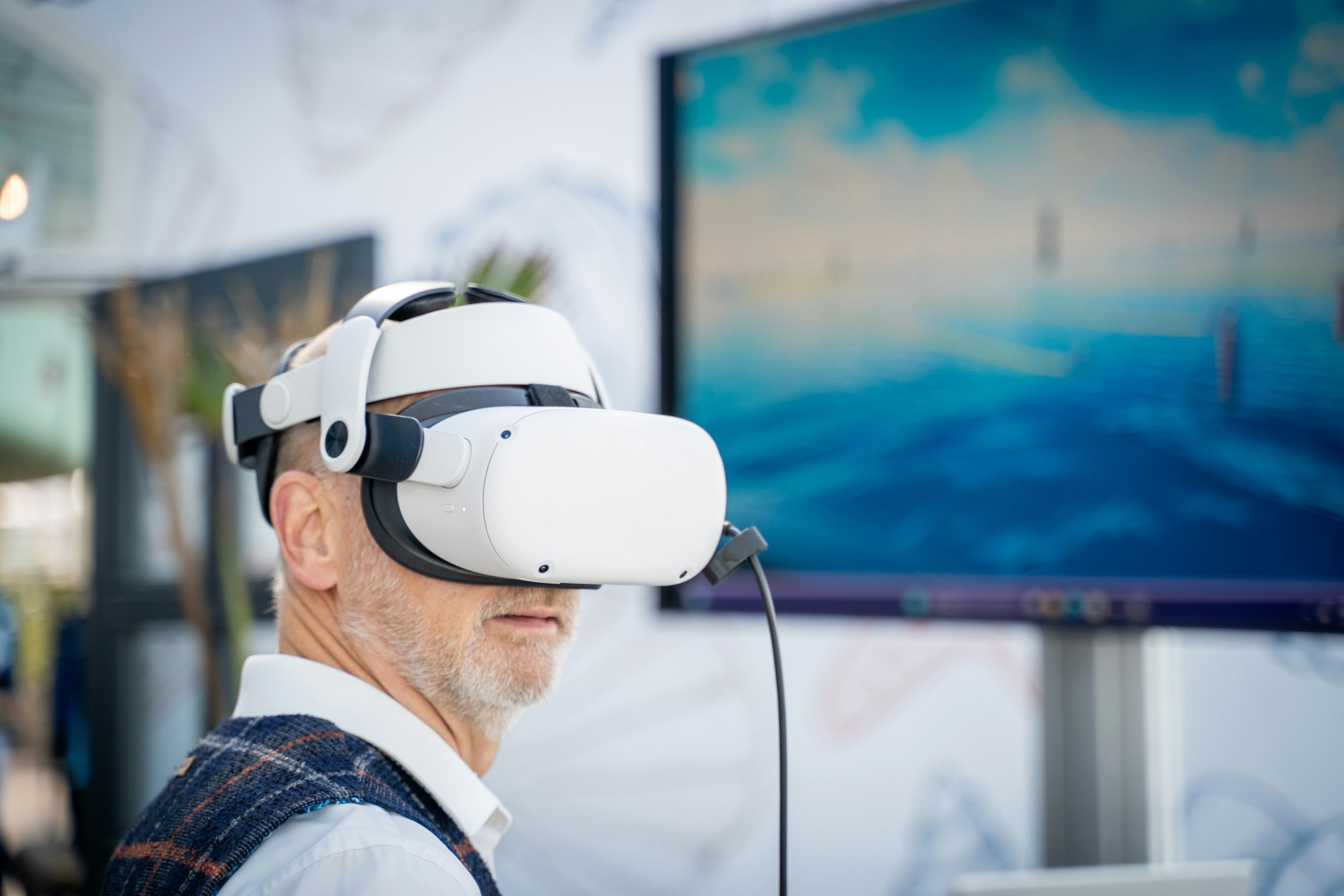
Enhanced Visualization
Traditionally, home tours have been conducted in person, where potential buyers would visit one property after another, trying to imagine themselves living in each one. This process can be tiring, time-consuming, and sometimes even frustrating. However, with virtual reality, buyers can experience a property as if they were physically there. They can walk through each room, get a feel for the layout and the space, and even make design changes to see how they would look. This enhanced visualization allows potential buyers to make more informed decisions and saves them the hassle of physically visiting multiple properties before finding the right one.
Seamless Accessibility
One of the biggest advantages of virtual reality in home tours is that it makes properties more accessible to potential buyers. With virtual reality, buyers can explore properties from the comfort of their own homes, eliminating the need for them to travel to different locations for home tours. This is especially beneficial for international buyers who may not be able to physically visit a property before making a purchase. With just a VR headset and an internet connection, buyers can view properties from anywhere in the world, at any time.
Elimination of Language Barriers
Virtual reality also has the potential to eliminate language barriers that may hinder the home-buying process. With virtual reality, properties can be showcased in multiple languages, making it easier for international buyers to understand the property’s features and specifications. Buyers can also request translations in real-time, making it easier for them to communicate with real estate agents and gain a better understanding of the property.
Cost and Time-Efficient
Conducting home tours through virtual reality is not only more convenient for buyers, but it also saves time and money for real estate agents. Instead of taking potential buyers from one property to another, agents can conduct virtual tours and show multiple properties in a matter of hours. This not only reduces the cost of transportation but also allows agents to focus on other aspects of the buying process. Additionally, virtual reality home tours can be easily shared with clients, which also saves time and avoids potential delays due to scheduling conflicts.
The Future of Home Buying
With the real estate industry being highly competitive, virtual reality has become a game-changer, giving real estate agents and property developers a competitive edge. Virtual reality technology is constantly evolving, and it’s expected to become more immersive and realistic in the future. This means that home tours will become even more advanced, providing buyers with an incredibly detailed and interactive experience. Furthermore, virtual reality can also be used to showcase properties that are not yet built, giving buyers the opportunity to visualize and customize their potential new home before it’s even constructed.
In conclusion, virtual reality has completely changed the way we conduct home tours and is revolutionizing the home buying process. With its enhanced visualization, seamless accessibility, elimination of language barriers, and cost and time efficiency, it has become a powerful tool in the real estate industry. As technology continues to advance, virtual reality will continue to play a significant role in the future of home buying, providing buyers with an immersive and exciting experience that was previously unimaginable.