
A guide to traveling with a specific dietary restriction
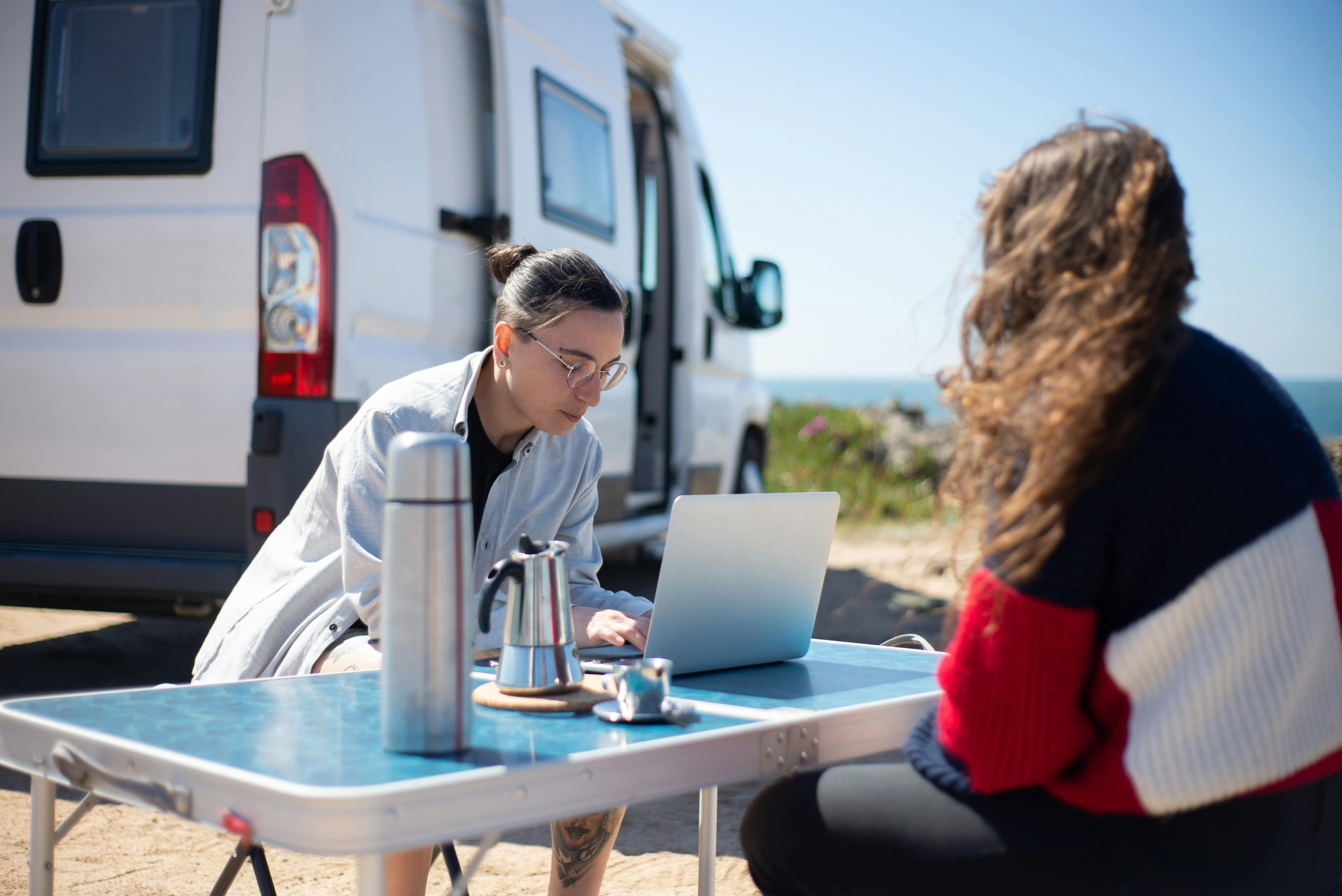
Traveling can be an exciting and enriching experience, but it can also present challenges for individuals with specific dietary restrictions. Whether you’re following a strict vegetarian diet or dealing with food allergies, it’s important to plan ahead and be prepared for your dietary needs while on the go. In this guide, we’ll provide tips and strategies for navigating travel with a specific dietary restriction, so you can enjoy your trip without compromising your health or dietary choices.
Understanding Your Dietary Restrictions
Before embarking on your journey, it’s important to fully understand your dietary restriction and how it may impact your travel plans. This could include food allergies, intolerances, dietary choices, or cultural or religious dietary restrictions. Take some time to research your specific restriction and educate yourself on the ingredients and foods to avoid.
For Food Allergies
If you have a severe food allergy, it’s crucial to know how to communicate your needs in different languages. A helpful tip is to carry a card or document in the language(s) of your destination that clearly states your food allergy and any dietary restrictions. This will ensure clear communication with servers and chefs. It’s also important to research the local cuisine and potential allergens to avoid cross-contamination.
For Vegetarians and Vegans
For individuals following a vegetarian or vegan diet, traveling to a new place may require some additional research and planning. While many countries have vegetarian and vegan options, some may not. Make a list of local dishes that are already vegetarian or can be easily modified. Additionally, consider packing snacks or bringing along a portable travel blender to easily whip up smoothies or shakes with fruits and vegetables.
For Cultural or Religious Dietary Restrictions
If you follow a particular cultural or religious dietary restriction, it’s important to research the local customs and cuisine of your destination. Identifying traditional dishes that align with your dietary needs and familiarizing yourself with common ingredients will help you make informed choices while traveling. You may also consider reaching out to local community organizations or places of worship for recommendations or resources.
Preparing for Your Trip
Once you have a good understanding of your dietary needs and how they may impact your travels, it’s important to plan and prepare accordingly. Here are some tips to help make your trip more manageable:
Communicate with Your Accommodations
When booking your accommodations, make sure to inform them of your specific dietary restriction. Many hotels and resorts offer special dietary accommodations, and informing them in advance allows them to properly prepare for your arrival.
Research Local Grocery Stores and Restaurants
Researching nearby grocery stores and restaurants before your trip can help you navigate your dietary needs while traveling. Look for restaurants that cater to your dietary restriction and make a list of potential meal options. If you’re unsure about the ingredients of a dish, don’t be afraid to ask the server or chef.
Pack Snacks and Supplements
It’s always a good idea to pack some snacks and supplements to have on hand while traveling. This ensures that you have access to familiar and safe options in case of unexpected delays or food options that do not align with your dietary needs. Remember to pack non-perishable items that are easy to transport, such as protein bars, nuts, and dried fruits.
Staying Safe While Eating Out
While traveling, it’s important to be cautious and aware when eating at local restaurants. Here are some tips to help you stay safe while dining out:
Communicate Clearly with Servers and Chefs
When dining out, make sure to inform your server of your dietary restriction and ask questions about ingredients and preparation. If you’re unsure about a particular dish, ask the server to check with the chef or request modifications to ensure your safety.
Read Food Labels and Ingredients Carefully
When purchasing food from a grocery store or market, make sure to read food labels and ingredients carefully. Look out for common allergens or ingredients that may not align with your dietary needs.
Carry Medication and Emergency Supplies
If you have a severe food allergy, make sure to carry your medication and any necessary emergency supplies with you at all times. This includes medications like epinephrine pens and inhalers, as well as any necessary medical documents or emergency contacts.
In Conclusion
Traveling with a specific dietary restriction may present some challenges, but with proper planning and preparation, you can enjoy your trip without compromising your health or dietary choices. Remember to educate yourself on your dietary restriction, communicate clearly with servers and chefs, and stay prepared with snacks and medication. With these tips in mind, you can have a safe and enjoyable travel experience while staying true to your dietary needs.